

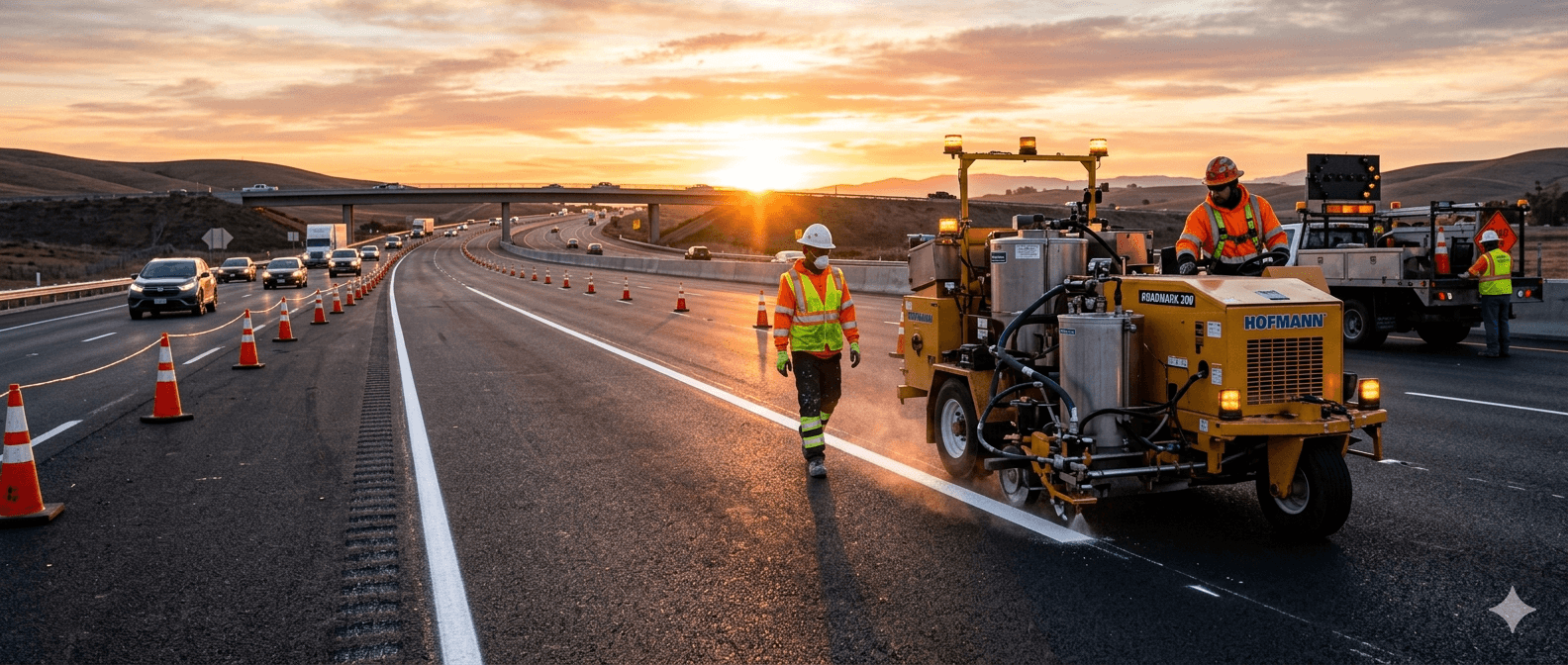
With the advancement of road marking technologies, modern solutions such as thermoplastic road marking have become widely used due to their durability, visibility, and long service life compared to traditional road paint.
In this article, we explore the different types of road marking paint, their benefits, and why thermoplastic road marking systems are considered one of the most reliable solutions for road safety today.
What is Road Marking Paint?
Road marking paint is a specialized coating material used to create visible traffic markings on road surfaces. These markings are essential for directing traffic and ensuring safe movement on roads.
Common applications of road paint include:
Lane lines
Edge lines
Pedestrian crossings
Directional arrows
Stop lines
Parking lot markings
Traffic symbols
These road markings provide clear visual guidance that helps drivers stay within lanes, follow traffic rules, and avoid potential collisions.
Importance of Road Marking in Traffic Safety
Proper road marking is one of the most effective ways to enhance traffic safety and improve driving conditions.
Here are some key benefits of high-quality road paint:
Improved Lane Visibility
Clear road markings help drivers maintain their lanes and understand road layouts, especially on highways and multi-lane roads.
Reduced Traffic Accidents
Well-maintained road marking systems reduce confusion among drivers and significantly lower accident rates.
Enhanced Night Visibility
Modern road marking paint includes reflective glass beads that improve visibility at night when headlights illuminate the markings.
Better Traffic Organization
Accurate road marking ensures smoother traffic flow and better management of vehicles and pedestrians.
Types of Road Marking Paint
There are several types of road paint used worldwide, each designed for specific road conditions and traffic volumes.
Conventional Road Paint
Traditional road marking paint is typically acrylic or solvent-based.
Advantages include:
Easy application
Lower cost
Suitable for parking areas and low-traffic roads
However, conventional road paint usually has a shorter lifespan compared to advanced materials.
Thermoplastic Road Marking
Thermoplastic road marking is one of the most widely used systems in modern road construction and maintenance.
Thermoplastic materials are heated to high temperatures and then applied to the road surface, where they quickly cool and harden into durable markings.
Advantages of Thermoplastic Road Marking
Long service life
High resistance to wear and traffic
Excellent visibility day and night
Strong adhesion to road surfaces
Resistance to weather conditions
Because of these advantages, thermoplastic road marking is commonly used on:
Highways
Major roads
Intersections
Pedestrian crossings
Urban streets with heavy traffic
What is Thermoplastic in Road Marking?
Thermoplastic is a specialized material used in road marking systems that becomes liquid when heated and solidifies when cooled.
The application process of thermoplastic road marking typically includes:
Heating the thermoplastic material to approximately 180–200°C
Applying it to the road surface using specialized road marking machines
Adding reflective glass beads
Allowing the material to cool and solidify
The result is a durable and highly visible road marking that can withstand heavy traffic and harsh environmental conditions.
Road Marking Application Process
Professional road marking projects follow a structured process to ensure quality and durability.
Surface Preparation
The road surface must be cleaned to remove dust, oil, and debris before applying road paint.
Layout and Measurement
Precise measurements are taken to ensure accurate placement of road markings.
Paint Application
Specialized machines are used to apply road marking paint or thermoplastic materials.
Glass Bead Application
Reflective glass beads are added to improve nighttime visibility.
Quality Inspection
Final inspection ensures that the road markings meet required standards for thickness, clarity, and durability.
Quality Standards for Road Marking Paint
High-quality road marking paint must meet several performance standards, including:
High durability and wear resistance
Strong adhesion to asphalt or concrete
High reflectivity for nighttime visibility
Resistance to weather conditions
Long service life under heavy traffic
These standards are essential to maintain effective road marking systems in modern transportation infrastructure.
The Future of Road Marking Technology
The field of road marking and road paint technology continues to evolve with innovations aimed at improving safety and sustainability.
Emerging technologies include:
High-reflectivity road markings
Glow-in-the-dark road paint
3D road markings
Eco-friendly road marking materials
Smart road marking systems
These innovations aim to enhance road safety, visibility, and driver awareness in increasingly complex traffic environments.
Conclusion
Road marking paint is a fundamental element of safe and efficient road infrastructure. Proper road marking systems guide drivers, improve traffic organization, and significantly reduce accident risks.
Among the available solutions, thermoplastic road marking stands out as one of the most reliable and durable technologies due to its high visibility, long lifespan, and resistance to heavy traffic.
For modern road projects, choosing the right road paint and road marking technology is essential to ensure safe, durable, and high-performance road infrastructure.
